Haaland Urges Man City to Turn Title Heartbreak Into Fuel
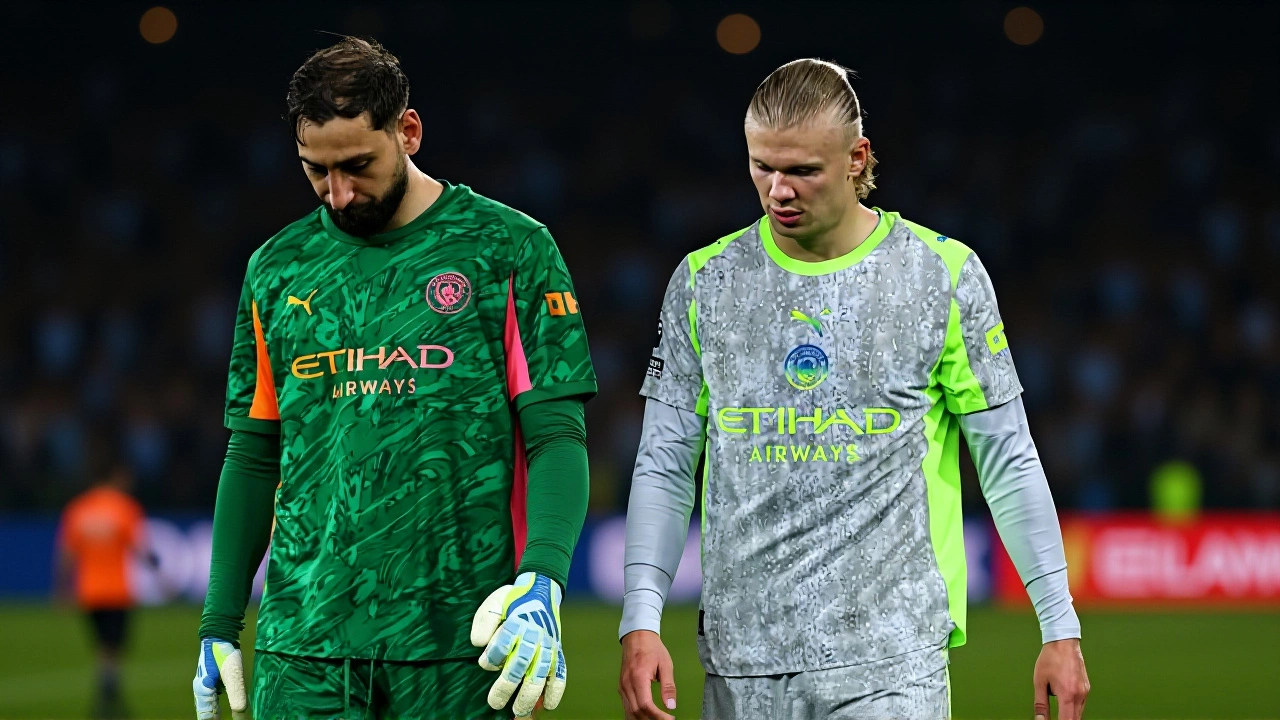
When Erling Haaland, the prolific striker for Manchester City, addressed the media following a heartbreaking miss out on the Premier League title, he didn't offer excuses. Instead, he delivered a stark reminder to his teammates and fans: this pain must become fuel. The Norwegian international’s comments came in the wake of a season that slipped through the club's fingers, marking a rare moment of vulnerability for a side accustomed to dominance.
The remarks were made at the City of Manchester Stadium on Tuesday, just hours after the final whistle confirmed their rivals had secured the trophy. It’s a scene few expected to witness at Etihad Campus, where the air usually buzzes with celebration rather than consolation. But here we are. The twist is that Haaland isn’t looking backward with regret; he’s staring down the barrel of next season with intense focus.
A Rare Moment of Vulnerability
Context matters here. For years, Manchester City has been the team others chase. Under the stewardship of Pep Guardiola, manager since 2016, the club has redefined consistency in English football. Winning ten league titles, eight FA Cups, and nine League Cups isn’t just a stat sheet—it’s a culture. So when they don’t win, it doesn’t feel like a setback; it feels like an anomaly. A glitch in the matrix.
But anomalies happen. This season was different. Tighter margins. Fewer goals. More pressure. And now, the weight of expectation sits heavier than ever. Haaland, who joined from Borussia Dortmund in 2022, knows what it means to carry a team. He also knows what it costs when you fall short. His message wasn’t soft. “We have to use this,” he said. “This feeling? We need to remember it every single day.”
The Details Behind the Disappointment
Let’s break down how it unfolded. Manchester City entered the final stretch sitting second, trailing by two points with three games left. A draw against Burnley at Turf Moor kept them alive, but a crucial slip-up against Chelsea sealed their fate. Meanwhile, their closest competitors held firm. No dramatic late surge. No last-minute heroics. Just cold, hard arithmetic.
Haaland scored 24 goals this campaign—impressive, yes, but not enough to mask the team’s collective struggles. Midfield creativity dipped. Defensive lapses increased. Even the legendary Maine Road legacy couldn’t shield them from reality. The data tells the story: City conceded 38 goals compared to last year’s 27. That’s 11 more leaks in the net. In a league decided by single digits, that’s fatal.
Guardiola admitted as much in his post-match press conference. “We were good,” he noted. “But not good enough. Not today. Not this season.” Those words stung. They’re coming from a man who’s won six Premier League titles in seven years. When he says “not good enough,” you listen.
Multiple Perspectives on the Missed Opportunity
Reactions varied across the football world. Some pundits called it a necessary reset. Others saw it as a warning sign. Former player Frank Lampard tweeted, “Pressure builds differently when you’re expected to win. City felt it. Now they must respond.”
Fans weren’t kind either. Social media lit up with frustration. #WhereIsTheStandard trended for hours. One fan wrote, “We paid £50 for tickets to watch us lose again. Unacceptable.” Another countered, “Give them time. They’ll bounce back stronger.” Both sides have a point. Football is cruel like that.
Even opponents acknowledged the shift. Mikel Arteta, manager of Arsenal, praised City’s resilience despite the outcome. “They’re still dangerous. Still hungry. Don’t count them out.” Smart move. Keep them humble, keep them motivated.
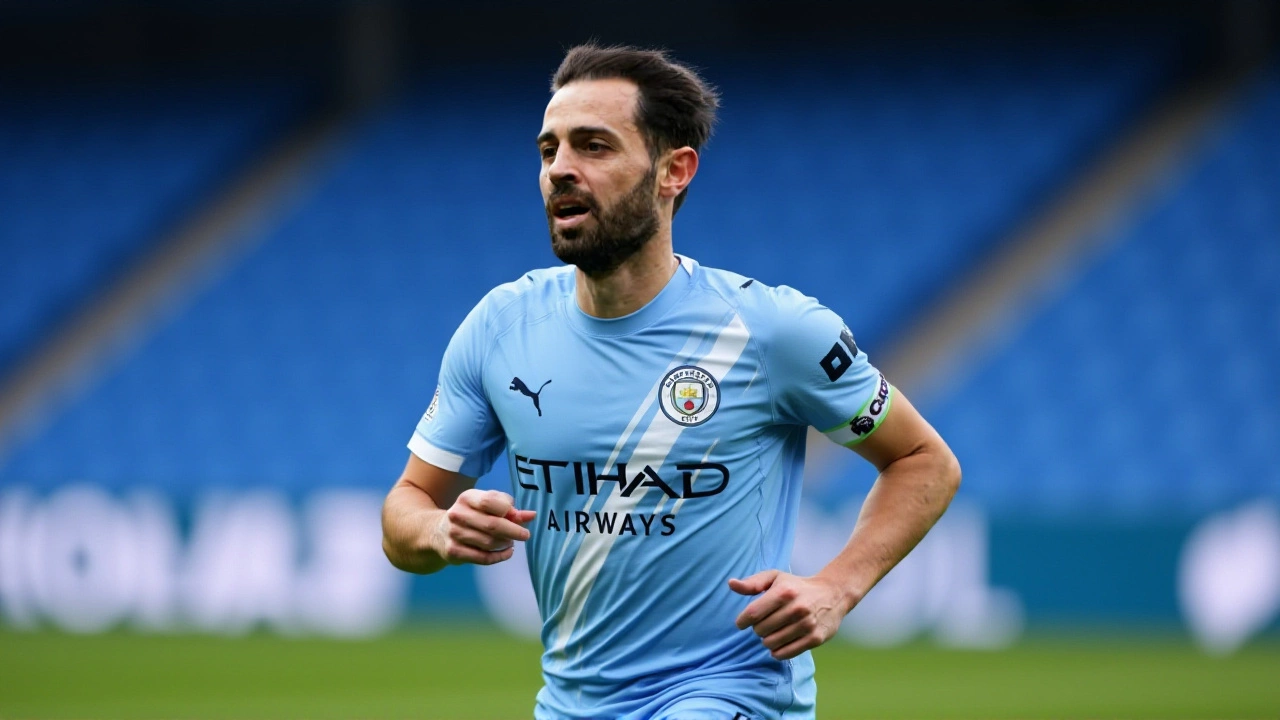
Broader Impact and Ripple Effects
This isn’t just about one season. It’s about identity. Manchester City built its modern era on invincibility. Now, cracks show. Will sponsors hesitate? Will players demand transfers? Will Guardiola face questions about his tactics? All valid concerns. But also all manageable—if handled right.
Consider the financial angle. City’s revenue stands at approximately £720 million annually, largely driven by broadcasting rights and commercial deals. A missed title might impact bonus structures, but long-term contracts remain secure. Still, perception matters. If fans believe the magic is fading, attendance drops. Merchandise sales dip. Momentum stalls.
Then there’s the psychological toll. Players thrive on success. Lose it, and confidence wavers. Haaland understands this better than most. He’s seen teams crumble under similar pressures. His job now? Lead from the front. Score when it counts. Remind everyone why they signed him.
What’s Next for Manchester City?
Summer transfer window looms large. Expect movement. Key departures? Possibly. Reinforcements? Definitely. Guardiola will likely target midfield depth and defensive solidity. Names like Jude Bellingham or Rúben Dias-style defenders could surface. Rumors swirl daily. Nothing confirmed yet.
Pre-season training begins June 1st. Focus shifts immediately to rebuilding chemistry, refining set pieces, and restoring belief. Haaland will lead drills. Push limits. Demand excellence. Because if anyone can turn heartbreak into horsepower, it’s him.
And let’s not forget Europe. Champions League awaits. New format. Higher stakes. City enters as defending finalists. Redemption arc writes itself. Or does it? Only time will tell.
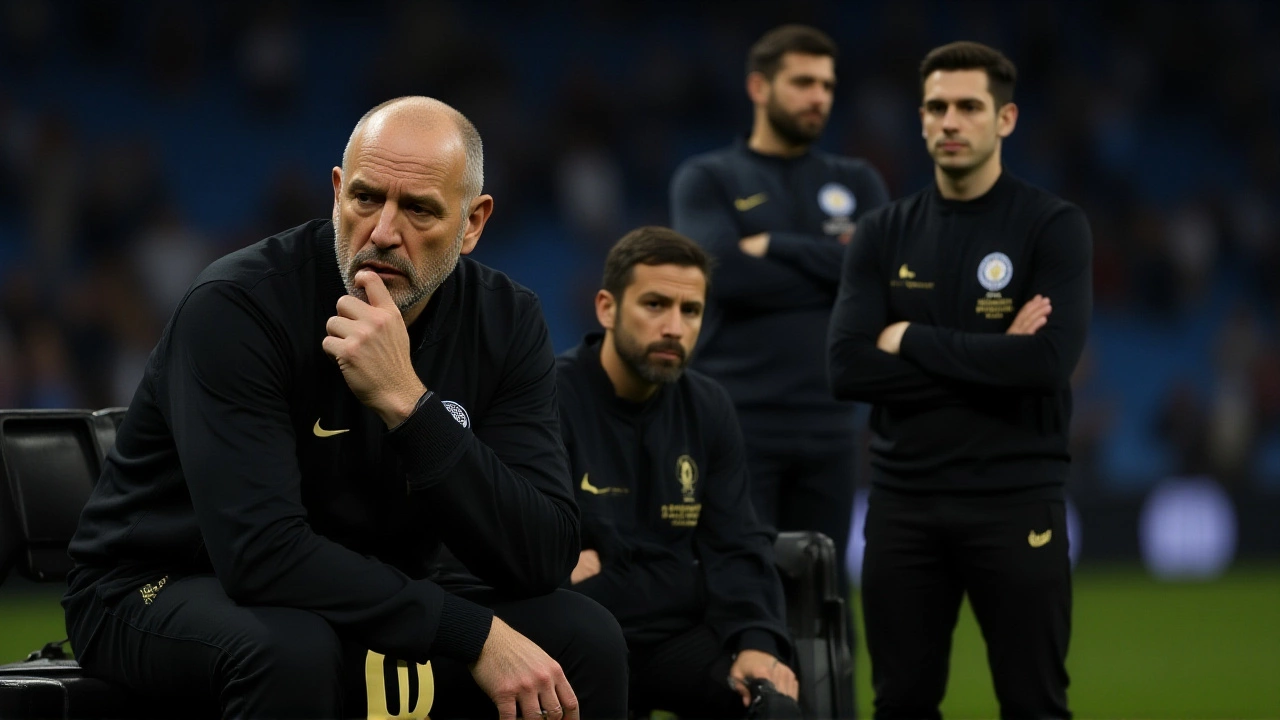
Background Deep Dive: From St. Mark’s to Superpower
To understand today’s disappointment, look back. Founded in 1880 as St. Mark’s (West Gorton), then renamed Ardwick AFC in 1887, before becoming Manchester City in 1894. Moved from Maine Road to the current stadium in 2003. Transformed from mid-table mediocrity to global powerhouse under Abu Dhabi ownership starting in 2008.
Trophy cabinet reflects that journey. Ten league titles. Eight FA Cups. Nine League Cups. Seven Community Shields. One UEFA Champions League (2023). One European Cup Winners’ Cup. One UEFA Super Cup. One FIFA Club World Cup. Impressive haul. But trophies gather dust if you stop chasing new ones.
History shows resilience. After finishing sixth in 2008–09, City rose rapidly. Won first Premier League title in 2011–12 thanks to Sergio Agüero’s iconic winner against QPR. Since then, only Liverpool interrupted their stranglehold briefly. Until now.
Frequently Asked Questions
Why did Manchester City miss the Premier League title this season?
Manchester City fell short due to inconsistent performances in critical matches, particularly a lackluster display against Chelsea near the end of the season. Defensively, they conceded 38 goals—eleven more than the previous year—which proved costly in a tightly contested race where margins were razor-thin.
What exactly did Erling Haaland say about using the title miss as motivation?
Haaland stated clearly during his post-match interview that the team must embrace the disappointment as fuel for future campaigns. He emphasized remembering the feeling of loss daily to drive improvement, avoiding vague platitudes in favor of direct accountability.
How does this affect Pep Guardiola’s tenure at Manchester City?
While disappointing, this result doesn’t threaten Guardiola’s position immediately. With six prior titles and ongoing contract negotiations, he retains strong support. However, expectations rise higher each year, meaning tactical adjustments and squad reinforcements will be scrutinized heavily going forward.
Are there plans for major transfers this summer?
Yes, reports suggest Manchester City aims to strengthen midfield and defense ahead of next season. Targets include high-profile names capable of elevating performance levels. Specific deals haven’t been finalized, but activity is expected to intensify once the official window opens.
Can Manchester City realistically challenge for the title again next year?
Absolutely. Despite this setback, City possesses elite talent, infrastructure, and managerial expertise. Historically, they’ve bounced back strongly after setbacks. Provided strategic improvements are implemented, returning to championship contention remains highly plausible.