IWAI Upgrades Varanasi Office to Regional Hub
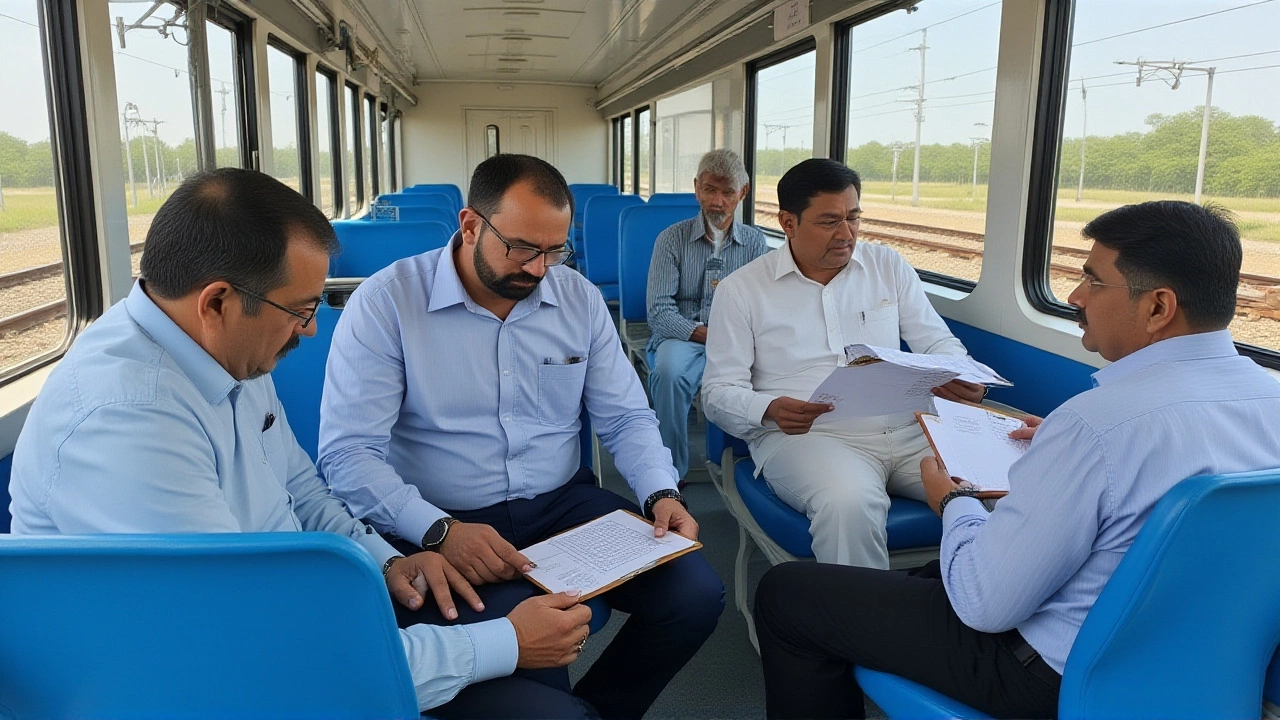
When Inland Waterways Authority of India (IWAI) announced the upgrade of its Varanasi sub-office to a full-fledged regional office, it signaled a major shift in how India manages its inland water transport. This isn't just bureaucratic reshuffling; it's about putting boots on the ground—or rather, vessels on the river—to manage one of the country's most critical trade arteries.
The move comes as the government pushes hard to make National Waterway-1Ganga River (NW-1) a viable alternative to congested road and rail networks. With Varanasi sitting right on the banks of the Ganga, this new regional hub will oversee cargo movement, passenger traffic, and navigation safety along the stretch connecting Uttar Pradesh to West Bengal.
A Strategic Upgrade for the Holy City
Here’s the thing: Varanasi has long been a spiritual center, but economically, it’s waking up to its potential as a logistics node. The IWAI, headquartered in Noida since 1986, already had a presence here. But upgrading from a sub-office to a regional office means more authority, better coordination, and faster decision-making.
Previously, the authority relied on offices in Patna, Kolkata, Guwahati, and Kochi for broader oversight. Now, with Varanasi as its sixth regional office, the agency can respond quicker to local challenges—like seasonal water level changes or terminal congestion. It’s a small change in title, but a big deal for operational efficiency.
“This upgrade allows us to monitor activities on NW-1 more effectively,” said an official familiar with the development. “From cargo clearance to vessel registration, everything happens locally now.”
The Infrastructure Backbone: Varanasi Multi-Modal Terminal
You can’t talk about waterways without talking about terminals. And in Varanasi, the crown jewel is the Inland Water Transport Multi-Modal Terminal. Located on the eastern bank of the Ganga, about 9 kilometers upstream from the Malviya Road Railway Bridge, this facility covers 100 acres of land.
Prime Minister Narendra Modi inaugurated the project on December 11, 2018, marking it as a key milestone in India’s blue economy strategy. Built at a cost of ₹208 crore, the terminal is designed to handle:
- 2 million metric tons of cargo annually
- 10,000 TEUs (Twenty-foot Equivalent Units) in container capacity
- Two berths, each 100 meters long and 15 meters wide
- Mobile harbor cranes with 40-ton lifting capacity
It’s not just about moving goods. The terminal also supports bunkering (fueling), vessel repairs, and passenger services. Think of it as a mini-port that connects rivers to roads and rails—a true multi-modal hub.
National Waterway-1: The Golden Corridor
Let’s put things in perspective. National Waterway-1 stretches 1,390 kilometers from Haldia in West Bengal to Allahabad (Prayagraj) in Uttar Pradesh. A massive ₹5,061.15 crore project is underway to deepen the channel, widen sections, install navigation aids, and build supporting infrastructure.
Why does this matter? Because water transport is cheaper, greener, and less prone to delays than trucks stuck in traffic. Currently, inland waterways carry about 133 million metric tons of cargo yearly. But the government wants that number to jump to 200 million by 2030—and hit 500 million by 2047 under the Maritime Amrit Kaal Vision.
To get there, they’re launching bold initiatives like the Jal Vahak Scheme, introduced on December 15, 2024. Under this program, vessel operators running scheduled cargo services on NW-1, NW-2, and NW-16 can claim reimbursement for up to 35% of their actual operational costs. That’s a serious incentive to switch from diesel-guzzling trucks to fuel-efficient barges.
What’s Next for India’s Waterways?
The Union Budget 2026–27 laid out an ambitious plan: launch 20 new national waterways over the next five years. Imagine expanding the network beyond the Ganga to include rivers in Kerala, Assam, and even cross-border routes via Bangladesh through the Indo-Bangladesh Protocol route.
But growth brings challenges. Dredging needs constant maintenance. Seasonal monsoons affect navigability. And private players need clear policies to invest confidently. The IWAI’s role is evolving—from regulator to facilitator—to ensure smooth operations.
Experts say the real test lies in integration. Can these waterways seamlessly connect with ports, railways, and highways? If done right, Varanasi could become a model city for sustainable urban logistics.
Frequently Asked Questions
Why was Varanasi chosen for the new IWAI regional office?
Varanasi sits directly on National Waterway-1, making it a strategic midpoint between Haldia and Prayagraj. Its existing multi-modal terminal and high cargo volume justify dedicated administrative oversight to improve efficiency and response times.
How much cargo can the Varanasi terminal handle?
The terminal is built to process 2 million metric tons of bulk cargo and 10,000 TEUs of containers every year. It features two large berths equipped with 40-ton cranes, enabling efficient loading and unloading for both freight and passenger vessels.
What is the Jal Vahak Scheme?
Launched on December 15, 2024, Jal Vahak incentivizes vessel operators by reimbursing up to 35% of their actual operational costs when transporting cargo on designated national waterways. It aims to make water transport more competitive against road and rail options.
Is there any truth to reports of hydrogen-powered boats being tested in Varanasi?
No credible sources confirm such tests. While the government promotes green energy in transport, no official records mention hydrogen fuel cell trials in Varanasi. Focus remains on conventional diesel-electric vessels and improving existing infrastructure.
How many national waterways are currently active in India?
As of 2025, India recognizes several national waterways, including NW-1 (Ganga), NW-2 (Brahmaputra), and others across Kerala and Gujarat. The budget proposes adding 20 more in the next five years to expand connectivity and reduce logistical bottlenecks nationwide.